

This piece is not about the ongoing trial and solely intends to examine the cultural impact of his career; which is strange and unique to Britain.
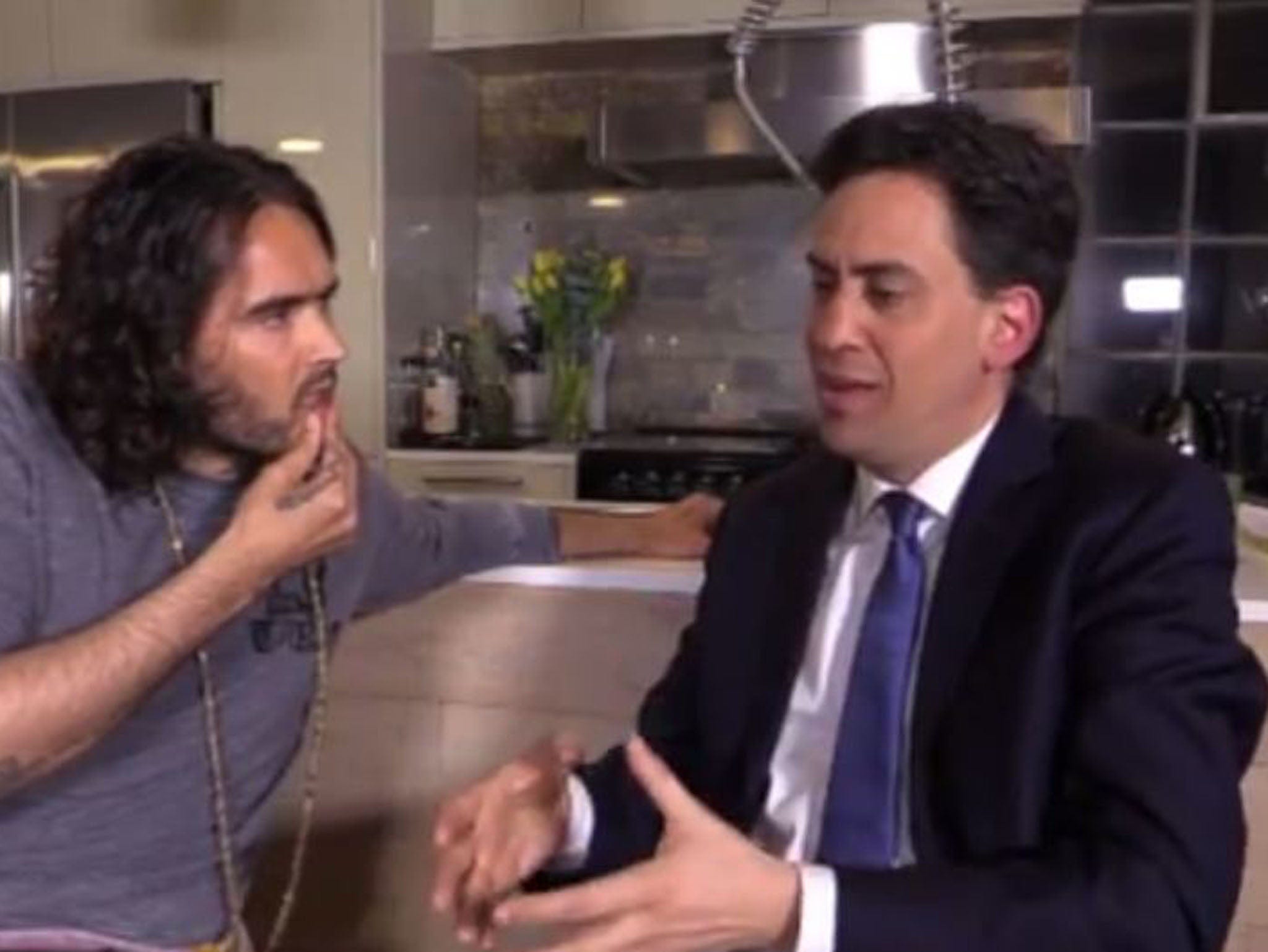
It is hard to convey just how seriously Russell Brand was pushed as a commentator 2013-15. In the closing days of the 2015 election, Ed Miliband chose to be interviewed on Brand’s YouTube channel ‘the trews’ and this was treated as a seminal event of the campaign. Brand’s book Revolution was soberly reviewed in mainstream left-wing outlets like The Guardian as part of the same phenomenon behind Occupy Wall Street. Brand guest-edited The New Statesman: a serious magazine, for serious people. When Brand told young people not to bother voting in 2015, he was treated as the default social representative of “anti-establishment” politics and, as a teenager who also told people not to vote, for very different, Unqualified Reservations, reasons I encountered people who assumed I’d been “redpilled by Russell Brand.” In the High Summer of Britpoppery, Russell Brand was spoken of, like Putin and the Portuguese Man of War, as a “force” outside of “the liberal world order” which might have to be reckoned with in the future.
