

I remember well the first time that the autistic slur was weaponised against me. It was the first year of University and I had made a giddy discovery. A 19th century diary by a student who described the many activities he and his boon companions got up to when they too were in the flower of their youth; writing satirical poems, pranking and beagling.
I opined that this, taken with the German fashion for duelling (I had just finished The World Of Yesterday) made it seem like University was a better experience before the routine of ‘ring of fire’ followed by a commercial night club became the standard evening’s entertainment for those aged 18-21. It was then that this yet-to-become-obese-but-clearly-on-the-precipice Eating With Todd type character spat out the autistic charge, ‘to be fair mate, you are a bit’, grinning as the arranged ‘Arsenal Fans’ celebrated his reactive defence of the social order with a round of raucous laughter and (if memory serves) applause.
(Readers will be satisfied to know that this person’s life has turned out awfully. ‘Long Covid’ followed by ‘POTS’, I was recently invited to donate to a fundraiser for him to get a motorised wheelchair. I declined to contribute.)
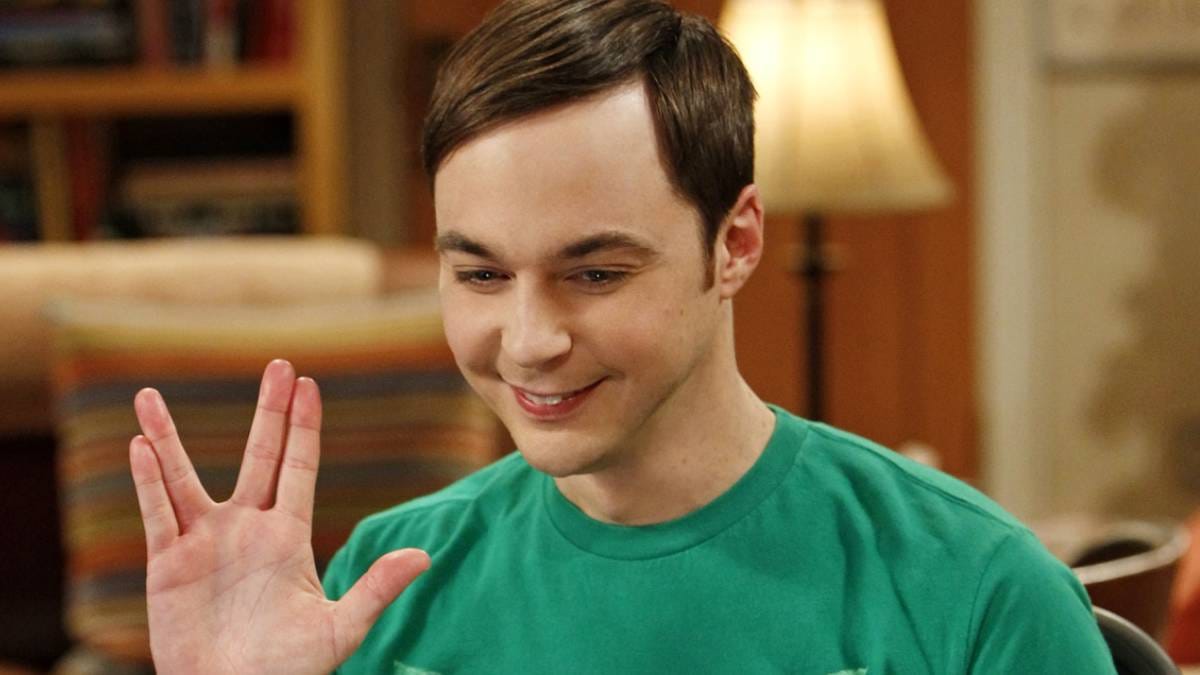
But it is not just this nameless tormentor, as with ‘OCD’ and ‘depression’ autistic is a medical term with real meaning that has saturated normie discourse by way of popular mental health culture. It is a slur which is not recognised as such because it serves a useful function for Woke as it reinforces the dominant Savilevision narrative on what is normal. Sheldon Cooper of the Big Bang Theory, despite being a genius, must become a figure of fun because he is indifferent to the whims of the opposite sex and unashamedly demands excellence from the people in his personal life. ‘He thinks Penny is a simpleton because she doesn’t know what a proton is. ‘He’s probably on the spectrum, to be fair’, opines Gogglebox Britain, shovelling another fistful of Revels into their mouths.
